


How to Wash a Cashmere Sweater (and Keep It Soft for Years)
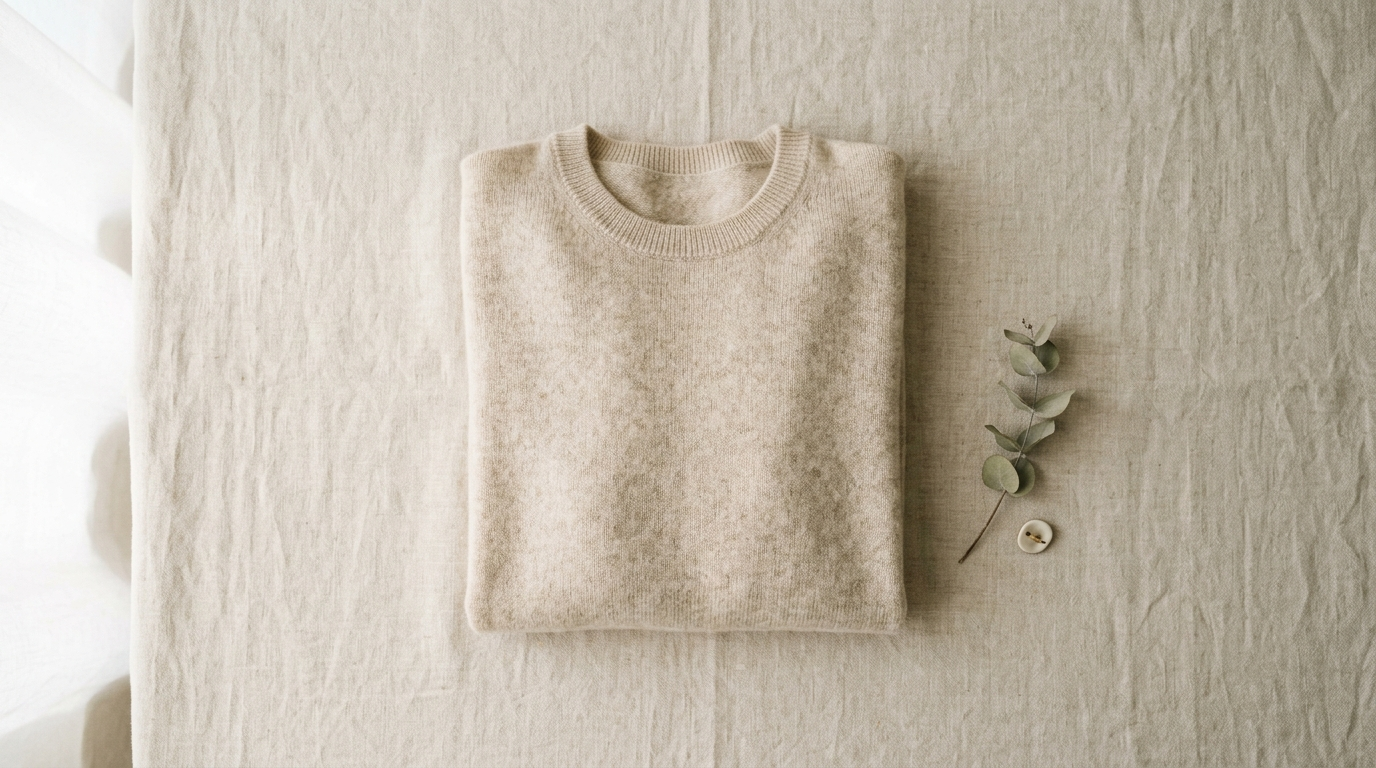
Cashmere is easier to care for than most people think — and no, it usually doesn't need dry cleaning. To wash a cashmere sweater: turn it inside out and hand-wash it (or use a wool cycle) in cool water with a little mild cashmere detergent, press the water out without wringing, and dry it flat in shape. Done gently, washing actually keeps cashmere soft.
At a glance:
- Wash in cool water with a mild wool/cashmere detergent — never hot.
- Hand-wash, or use a wool/delicate machine cycle in a mesh bag.
- Never wring or twist — press the water out.
- Dry flat and reshaped — never hang.
- Fold to store, and let it rest a day or two between wears.
Do you have to dry clean cashmere?
No. Dry cleaning is fine occasionally, but the solvents can dry out the fibre over time, and most cashmere sweaters are happier being gently washed at home. The rule with cashmere is simple: keep it cool and handle it gently. Heat and agitation are what damage the fibre — not water itself. (If a care label specifically says "dry clean only," follow it — but many everyday cashmere knits are hand- or machine-washable.)
How to hand-wash a cashmere sweater (the safest way)
Hand-washing takes about ten minutes and is the gentlest option.
- Turn the sweater inside out. This protects the outer surface from rubbing.
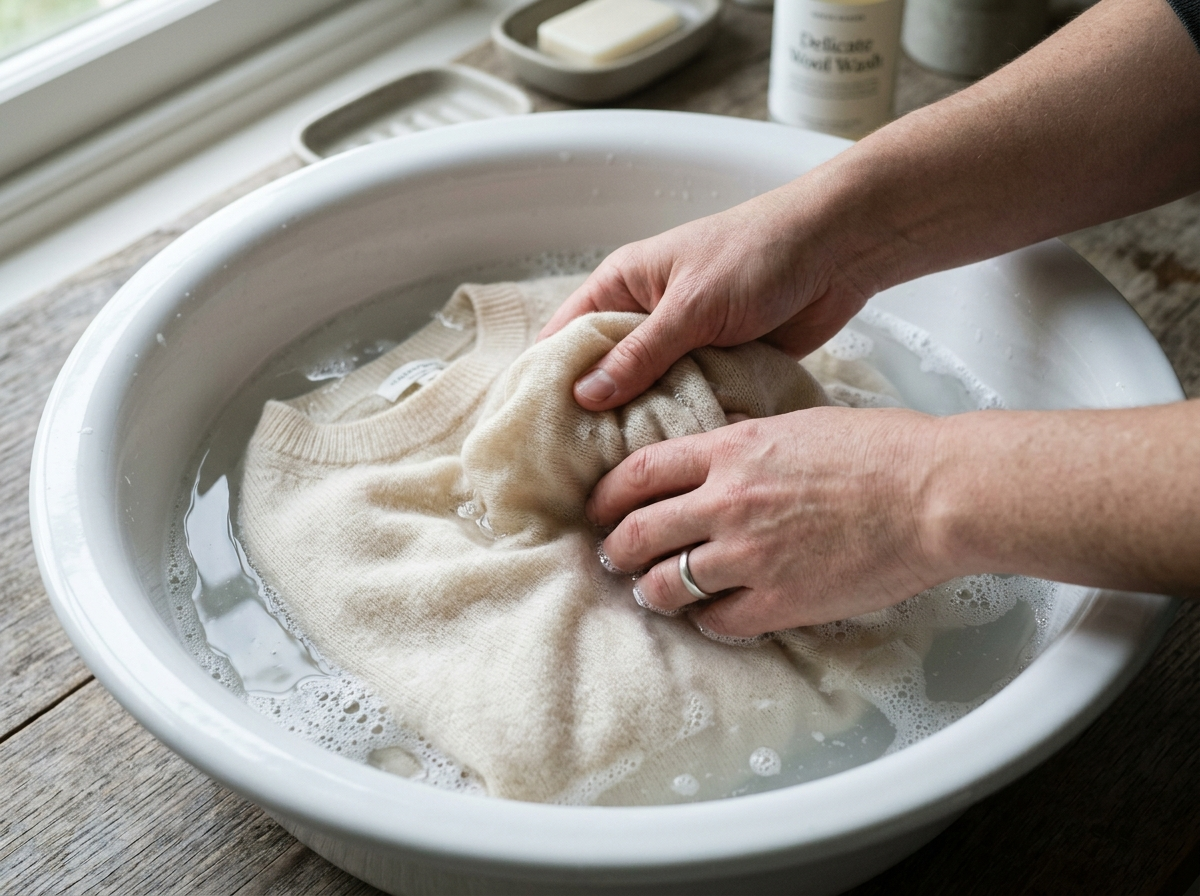
- Fill a clean basin with cool water (lukewarm at most, around 30°C) and add a small amount of mild cashmere or wool detergent.
- Soak for 5–10 minutes. Gently press the sweater through the water — don't rub, scrub, or twist.
- Rinse in fresh cool water until it runs clear.
- Press the water out. Support the whole sweater and gently squeeze — never wring. Then lay it on a towel, roll the towel up, and press to absorb the rest.
Can you machine-wash cashmere?
Often, yes — if your machine has a wool or delicate cycle. Do it carefully:
- Turn the sweater inside out and place it in a mesh laundry bag.
- Use the wool/delicate cycle, cool water, and low or no spin.
- Use a mild wool/cashmere detergent — no regular detergent, no fabric softener, no bleach.
- Wash with like colours and soft fabrics only — never with denim, towels, or anything with zips.
When in doubt, hand-wash. But a good wool cycle is gentle enough for most cashmere knits.
Drying: this is where sweaters get ruined
Most cashmere disasters happen at the drying stage, not the washing stage.
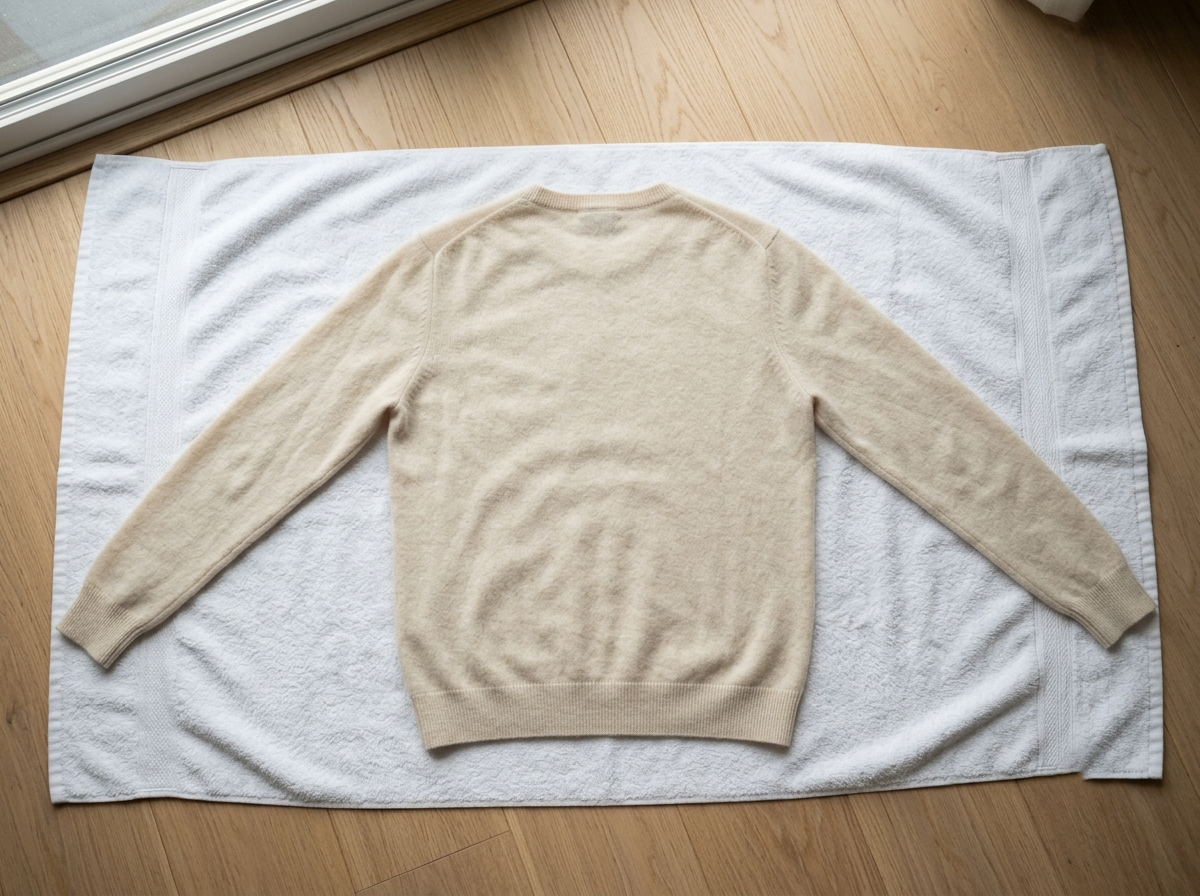
- Dry flat. Lay the damp sweater on a clean, dry towel and gently reshape it to its original dimensions.
- Never hang it. A wet sweater stretches under its own weight — that's how you get droopy shoulders and long sleeves.
- Keep it away from direct heat and sun. No radiators, no tumble dryer — heat shrinks and felts cashmere.
- Let it air-dry fully before folding it away.
How to de-pill a cashmere sweater
Pilling — those small bobbles — is normal, especially in the first few wears as loose fibres work their way out. It isn't a sign of poor quality; even fine cashmere pills a little. Here's how to keep it looking new:
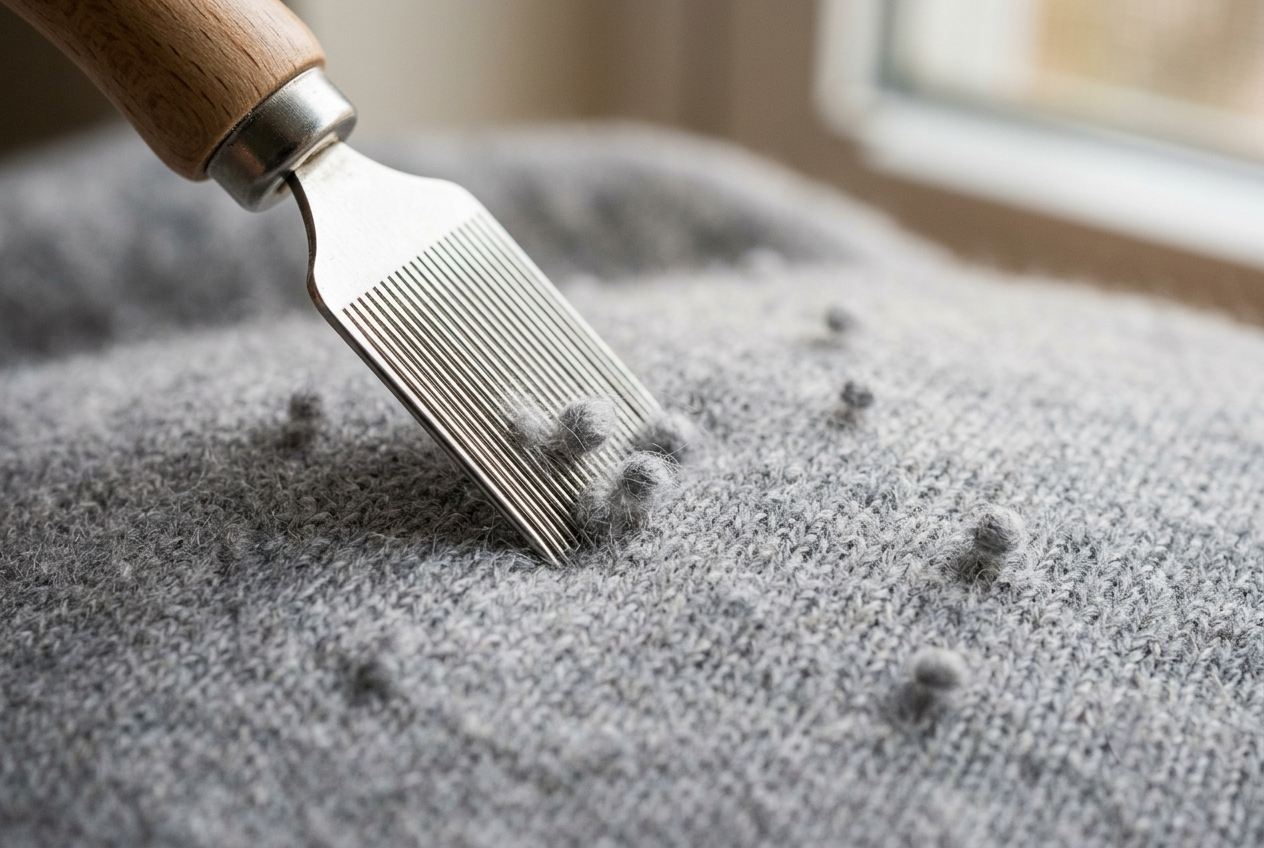
- Lay the sweater flat and gently remove pills with a cashmere comb or a fabric shaver.
- Work in one direction, lightly — don't drag or press hard.
- Do it now and then; after the first few wears, pilling slows right down.
Longer, finer cashmere tends to pill less over time, because the longer fibres are held more securely in the knit.
How to store cashmere
- Fold, don't hang. Hangers stretch the shoulders — store folded on a shelf or in a drawer.
- Give it a rest. Let a sweater rest a day or two between wears so the fibres recover their shape.
- Protect it from moths. Always store it clean (moths are drawn to body oils and food traces), and keep cedar blocks or lavender nearby. Never put cashmere away dirty over summer.

Does the quality of the cashmere matter?
Yes — good cashmere is genuinely easier to live with. Longer, finer fibres pill less and hold their shape better, so they reward gentle care with years of wear.
There's also a quiet advantage to undyed cashmere: because it skips the harsh bleaching and dyeing steps, the fibre keeps more of its natural oils, which helps it stay soft and resilient wash after wash. If you want the background, here's what undyed cashmere is, and how cashmere compares with wool. (Care for a pashmina too? See our complete pashmina care guide.)
Frequently asked questions
Can you wash cashmere in a washing machine?
Yes, if your machine has a wool or delicate cycle. Turn the sweater inside out, put it in a mesh bag, and use cool water and a mild wool detergent with low or no spin. If your machine has no gentle cycle, hand-wash instead.
Does washing cashmere ruin it?
No — gentle washing is good for cashmere and helps it stay soft. What ruins it is heat, wringing, and hanging to dry. Keep the water cool, press (don't twist) the water out, and dry flat.
How often should I wash a cashmere sweater?
Less often than you'd think. Cashmere rarely needs frequent washing, so airing it out between wears is usually enough. Wash every few wears, or when it's actually soiled — over-washing wears any garment faster.
Can I dry clean cashmere instead?
Occasionally, yes — but gentle home washing is kinder to the fibre long term. If the label says "dry clean only," follow it.
Why is my cashmere pilling — is it a defect?
Pilling is normal, not a defect. It happens as short, loose fibres surface, especially early on. Remove pills gently with a cashmere comb or fabric shaver; finer, longer-staple cashmere pills less over time.
How do I stop my cashmere sweater from stretching?
Never hang it — fold to store, and always dry it flat and reshaped rather than on a hanger or line. Hanging is the main cause of stretched shoulders and sleeves.
Explore Lumusae cashmere
Cashmere that's worth caring for. Our cashmere sweaters are undyed and pure Himalayan cashmere — hand-combed from Chyangra goats and handwoven in Nepal, made to be worn often and last. Start with the Original Crewneck for men or the Original Crewneck for women, or browse all men's cashmere sweaters.
Keep exploring
Washing a throw follows the same rules at a larger scale — our complete guide to cashmere throws covers sizing, care and what makes one worth keeping.
The same gentle-care principles apply to your finer pieces too — see our complete guide to caring for your pashmina for washing, drying, and storage tips that keep every strand soft for years. And if you’d like to know why this fibre rewards such careful keeping, read the story of authentic Himalayan pashmina.
Enjoying our cashmere guides? See more of them in your Google results.
Add Lumusae as a preferred source on Google


